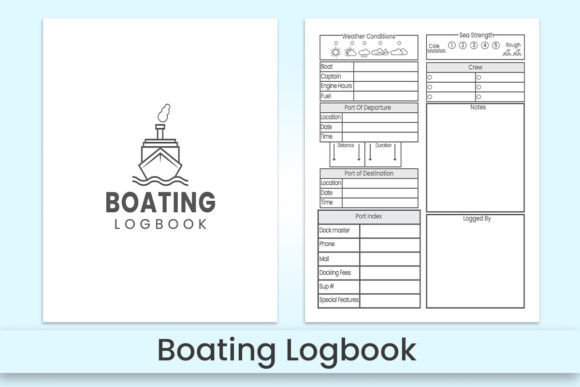
Boating Logbook: Essential for Every Water Enthusiast
Whether you're a seasoned sailor or just starting out, keeping track of your boating activities is crucial. A Boating Logbook offers a structured way to document everything from daily trips to maintenance schedules. It's more than just a record—it's a tool that can enhance your experience on the water.
What Is a Boating Logbook?
A Boating Logbook is a digital or physical document designed to capture details about boat usage, maintenance, and navigation. It typically includes information like dates, locations, weather conditions, fuel consumption, and any issues encountered. This data helps users stay organized and make informed decisions about their vessels.
Modern versions often come in various formats, such as AI files, PDFs, SVGs, and high-resolution JPEGs. These files are easy to access, edit, and share, making them ideal for both personal and professional use.
Key Features of a Boating Logbook
The Boating Logbook is known for its versatility and user-friendly design. It usually spans two pages at 300 DPI, ensuring clarity and detail in every entry. The format allows for easy customization, so users can tailor it to their specific needs.
- Comprehensive Layout: The logbook includes sections for trip details, equipment checks, and safety notes.
- High-Resolution Design: With 300 DPI, the layout remains sharp and readable, even when printed.
- Multiple File Formats: Users can choose between AI, PDF, SVG, and JPEG files, offering flexibility in how they manage their records.
Practical Uses Across Different Scenarios
The Boating Logbook isn't just for recreational boaters. It has applications in various fields, including commercial fishing, yacht charters, and marine research. For example, a commercial fisherman might use it to track catch volumes and fuel efficiency, while a marine biologist could log environmental observations during field trips.
Professionals in the hospitality industry, such as marina operators or boat rental companies, also benefit from using a Boating Logbook. It helps them monitor vessel performance, schedule maintenance, and ensure compliance with safety regulations.
Benefits for Personal and Professional Use
Using a Boating Logbook can improve productivity and reduce errors. By maintaining accurate records, users can identify patterns, plan future trips more effectively, and avoid costly mistakes. For instance, tracking fuel usage over time can lead to better budgeting and more efficient operations.
In addition, the logbook enhances communication. When sharing information with crew members, clients, or regulatory bodies, having a clear and organized record makes collaboration smoother. It also supports branding efforts by presenting a professional image, especially for businesses that rely on customer trust.
How to Choose the Right Boating Logbook
Selecting the right Boating Logbook depends on your specific needs. Consider factors like file format compatibility, ease of editing, and the level of detail required. For example, if you frequently update your entries, a PDF version may be more suitable than a static image file.
It's also important to evaluate the quality of the design. A well-structured logbook ensures that all necessary information is easily accessible. Look for templates that allow for customization, so you can add your own notes, logos, or branding elements.
Implementing a Boating Logbook in Daily Routines
Incorporating a Boating Logbook into your routine doesn't have to be complicated. Start by setting aside a few minutes after each trip to record essential details. Over time, this habit becomes second nature and significantly improves your overall boating experience.
For teams or businesses, assigning responsibility for logbook updates can streamline the process. Using digital tools, multiple users can contribute to the same document, ensuring consistency and accuracy across all entries.
Real-World Examples and Recommendations
Many boaters have found the Boating Logbook invaluable for managing their fleets. One small charter company reported a 20% improvement in maintenance efficiency after implementing a digital logbook system. Another user shared how tracking fuel consumption helped them save money on operational costs.
When choosing a Boating Logbook, consider your workflow and preferences. If you prefer a printable version, look for high-resolution JPEGs. For those who need to edit or share files frequently, AI or PDF formats may be more practical.
Conclusion: Maximize Your Boating Experience
A Boating Logbook is more than just a record-keeping tool—it's an essential resource for anyone who spends time on the water. Its practical features, combined with versatile file formats, make it a valuable asset for personal and professional use. By staying organized and informed, you can enjoy safer, more efficient, and more rewarding boating experiences.