Food and Snack Coloring Pages: A Creative Way to Engage Children
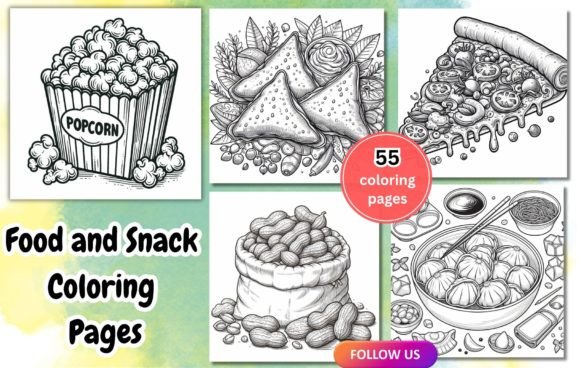
Food and snack coloring pages offer a unique blend of education and entertainment, designed specifically for children. These printable sheets feature a variety of food items, from fruits and vegetables to baked goods and snacks, encouraging kids to explore their creativity while learning about different types of nourishment. The concept is simple yet effective—children can color, learn, and express themselves through art, all while engaging with familiar and fun imagery.
The appeal of Food and Snack Coloring Pages lies in their ability to combine artistic expression with practical learning. Unlike generic coloring sheets, these pages often focus on specific themes, such as healthy eating, mealtime routines, or cultural foods, making them a valuable tool for parents, educators, and caregivers. By using these pages, children can develop fine motor skills, color recognition, and an appreciation for a diverse range of foods.
What Makes Food and Snack Coloring Pages Unique?
One of the key features that sets Food and Snack Coloring Pages apart from other coloring resources is their thematic focus. While many coloring pages include animals, vehicles, or fantasy scenes, this collection centers around food and snacks, offering a more targeted approach. This specificity can be especially beneficial for parents looking to introduce children to new foods or reinforce healthy eating habits in a playful way.
The design of these pages also plays a role in their distinctiveness. Many of the pages are created with high-quality graphics, ensuring that the images are clear and easy to color. They often come in multiple formats, including PDF CMYK, JPG 235 DPI, and ZIP files, making them accessible for both digital and print use. This versatility allows users to choose the format that best suits their needs, whether they prefer printing at home or using a professional printer.
Another distinguishing factor is the variety of content included. Some pages may feature simple outlines, while others include more detailed illustrations, allowing for different levels of difficulty. This range ensures that children of various ages and skill levels can find something suitable. Additionally, the inclusion of black and white images makes it easier for children to focus on coloring without distractions from pre-colored elements.
Comparing Food and Snack Coloring Pages to Other Options
When considering alternatives to Food and Snack Coloring Pages, it's important to evaluate how they compare in terms of purpose, quality, and usability. General coloring pages, for example, may offer a broader range of subjects but lack the focused theme that makes these pages special. Similarly, educational coloring books might incorporate more text or instructions, which could be useful for learning but less engaging for younger children who prefer visual play.
Printable coloring pages available online often vary in quality and design. Some may be low-resolution or poorly structured, leading to a frustrating experience for users. In contrast, Food and Snack Coloring Pages typically prioritize clarity and usability, ensuring that the images are well-suited for both home and classroom use. This attention to detail can make a significant difference in the overall user experience.
For those looking for a more interactive experience, digital coloring apps or software may offer additional features such as color palettes, undo options, and animation. However, these tools may require access to a device and internet connection, which can be a limitation for some users. Food and Snack Coloring Pages, on the other hand, provide a tangible activity that can be enjoyed without any technological barriers.
Strengths and Limitations of Food and Snack Coloring Pages
One of the main strengths of Food and Snack Coloring Pages is their ability to engage children in a meaningful way. By focusing on familiar subjects, these pages can spark curiosity and encourage discussion about food, nutrition, and cooking. They also provide a quiet, independent activity that can help children develop patience and concentration.
However, there are some limitations to consider. For instance, the thematic nature of these pages may not appeal to every child. Some may find the subject matter too repetitive or uninteresting compared to other themes like space, animals, or superheroes. Additionally, while the pages are designed for individual use, they may not offer much in terms of group activities or collaborative projects.
Another consideration is the need for regular updates. As food trends and preferences change, it may be necessary to introduce new designs or variations to keep the collection fresh and relevant. This is where some competitors may have an advantage, offering more frequent updates or a wider range of styles.
When to Choose Food and Snack Coloring Pages
Food and Snack Coloring Pages are an excellent choice for parents, teachers, and caregivers who want to incorporate learning into creative play. They are particularly useful in settings where promoting healthy eating habits is a priority, such as in schools, after-school programs, or family activities. The pages can also serve as a fun way to introduce children to different cuisines or cultural foods, expanding their knowledge in a hands-on manner.
If the goal is to provide a simple, low-cost activity that doesn’t require technology, these pages are a strong option. They can be printed at home, shared digitally, or used in classrooms with minimal preparation. Their availability in multiple file formats also adds to their convenience, allowing users to choose the most suitable version for their needs.
For those seeking a more dynamic or interactive experience, alternative options may be more appropriate. Digital coloring tools, for example, can offer a range of effects and features that enhance the creative process. Similarly, themed coloring books or activity kits may provide a more structured approach to learning and engagement.
Realistic Examples and Practical Comparisons
Consider a parent looking for a way to keep their child entertained during a long car ride. Food and Snack Coloring Pages could be a great solution, as they are easy to print, lightweight, and require no electricity. In contrast, a digital coloring app would need a tablet or phone, which may not always be available. For this scenario, the physical pages would be more practical and reliable.
On the other hand, a teacher planning a lesson on nutrition might find that Food and Snack Coloring Pages complement other teaching materials. The act of coloring can reinforce concepts introduced in class, making the learning experience more memorable. However, if the lesson includes more complex topics, such as food groups or dietary restrictions, additional resources may be needed to support the curriculum.
In a home setting, a child who enjoys drawing and painting may benefit from a more open-ended approach, where they can create their own food-related images rather than following pre-drawn outlines. In this case, blank paper or a different type of art project might be more suitable. Still, for children who prefer structure and guidance, the outlined pages can provide a satisfying and achievable challenge.
Conclusion: Making an Informed Choice
Food and Snack Coloring Pages offer a unique and valuable resource for children, combining creativity with education in a way that is both engaging and accessible. Their focused theme, high-quality design, and versatile formatting make them a practical choice for a wide range of users. However, they are not the only option available, and the best choice will depend on individual needs, preferences, and goals.
By understanding the strengths and limitations of Food and Snack Coloring Pages, parents and educators can make more informed decisions about which resources to use. Whether used as a standalone activity or as part of a larger learning plan, these pages can contribute to a positive and enriching experience for children. Ultimately, the key is to select the right tool that supports the child’s interests and developmental needs.