Motivation Word Search: A Powerful Tool for Mental Clarity and Focus
For adults seeking to boost their productivity, creativity, or personal growth, a Motivation Word Search can be a valuable resource. These puzzles are more than just a fun activity—they’re a way to engage the mind, reinforce positive thinking, and uncover hidden inspiration. Whether you're a student, professional, or hobbyist, understanding how to use these tools effectively can make a big difference in your daily routine.
What Is a Motivation Word Search?
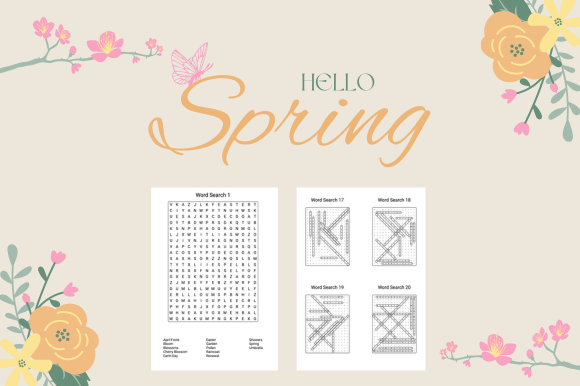
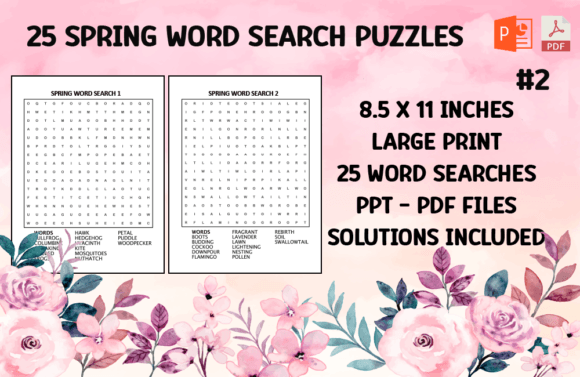
A Motivation Word Search is a puzzle that features a grid of letters containing hidden words related to themes like success, perseverance, and self-improvement. The goal is to find and circle these words, which can help reinforce positive mental patterns. These puzzles are often used in educational settings, corporate training, and personal development programs to encourage mindfulness and focus.
One popular format is the 8.5 x 11 size, which is easy to print and work with. Some versions include up to 125 pages, making them ideal for long-term use. Many also come with a solution key, allowing users to check their progress and learn from mistakes.
Common Mistakes When Using a Motivation Word Search
Despite their benefits, Motivation Word Search puzzles can be misused or misunderstood. Here are some common pitfalls to avoid:
- Ignoring the purpose: Some people treat word searches as mere entertainment, missing the deeper potential for mental stimulation and motivation.
- Choosing low-quality resources: Not all word search books are created equal. Poorly designed puzzles may lack variety, clarity, or relevance to the user’s goals.
- Skipping the solution: Without a solution key, it's easy to miss out on learning opportunities. Always check the answers to understand the full value of the exercise.
- Focusing only on speed: Rushing through puzzles can reduce their effectiveness. Taking time to reflect on each word can enhance the experience and its impact on mindset.
How Mistakes Can Affect Your Experience
When people overlook these details, they may end up with a less effective tool. For example, if you rush through a Motivation Word Search without checking the solution, you might miss important words that could inspire new ideas or perspectives. Similarly, using a poorly made puzzle could lead to frustration, reducing the likelihood of continued use.
Another issue is the format. A 8.5 x 11 size with 125 pages is practical for most users, but if the text is too small or the layout is cluttered, it can become difficult to read and less enjoyable. This can lead to lower engagement and reduced effectiveness over time.
Practical Advice for Better Results
To get the most out of a Motivation Word Search, consider the following strategies:
- Set clear goals: Decide what you want to achieve—whether it's improving focus, boosting creativity, or reinforcing positive habits. This will help you choose the right puzzle and track your progress.
- Choose quality resources: Look for puzzles that are well-designed, with clear instructions and relevant vocabulary. Check reviews or ask for recommendations to ensure you're getting a reliable product.
- Use the solution key: Don’t skip the answers. Reviewing the solutions can help you learn new words and gain deeper insights into the themes presented.
- Take your time: Engage with the puzzle thoughtfully. Reflect on the words you find and how they relate to your personal or professional life. This can turn a simple activity into a meaningful practice.
- Combine with other tools: Use the Motivation Word Search alongside journaling, meditation, or goal-setting exercises. This can create a more holistic approach to personal development.
What to Check Before Making a Decision
Before purchasing or using a Motivation Word Search, take a moment to evaluate the following:
- Content relevance: Does the puzzle align with your interests or goals? Choose a version that includes words and themes that resonate with you.
- Print quality: If you plan to print the puzzle, check the resolution and formatting to ensure it’s legible and easy to work with.
- Additional features: Some versions include tips, motivational quotes, or guided reflections. These can add extra value and enhance the overall experience.
- Size and layout: Consider the 8.5 x 11 format and whether the page count (like 125 pages) suits your needs. Too many pages may feel overwhelming, while too few may not provide enough content.
- Availability of solutions: Make sure the puzzle includes a solution key so you can verify your progress and learn from any missed words.
Realistic Examples and Better Approaches
Imagine you're an entrepreneur looking to stay motivated during a busy project. Instead of skipping the Motivation Word Search because it seems like a waste of time, try incorporating it into your daily routine. Set aside 10 minutes each morning to solve a puzzle, then reflect on the words you found. This small habit can help keep your mind focused and inspired.
Another example: a teacher might use a Motivation Word Search with students to encourage teamwork and resilience. By discussing the words together, the class can explore concepts like perseverance and collaboration in a fun and engaging way.
If you're unsure about a particular puzzle, don't hesitate to look for alternatives. There are many online resources and printable options available that can offer similar benefits without the commitment of a physical book.
Conclusion
A Motivation Word Search can be a powerful tool when used correctly. By avoiding common mistakes, choosing high-quality resources, and engaging with the puzzles thoughtfully, you can unlock their full potential. Whether you're looking to improve focus, spark creativity, or build better habits, these puzzles offer a practical and enjoyable way to stay motivated and inspired.