Savings Tracker and Savings Goal Tracker: A Practical Guide
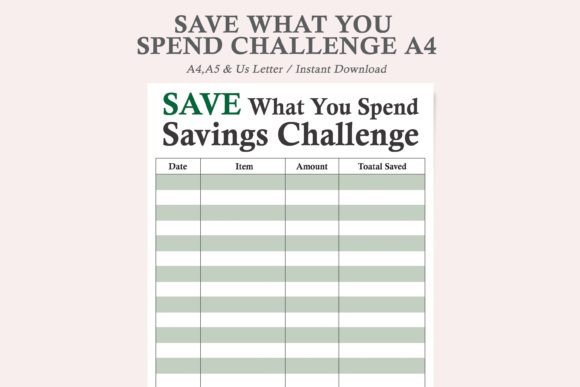
For individuals looking to gain better control over their finances, tools like the Savings Tracker and Savings Goal Tracker can be invaluable. These resources help users monitor their spending, set achievable savings targets, and maintain financial discipline. One particularly effective method is the Save What You Spend Challenge, which combines elements of a savings tracker with a structured approach to managing daily expenses.
The Save What You Spend Challenge is a practical strategy that encourages users to save an equal amount for every dollar they spend in a specific category. For example, if you spend $10 on groceries, you would also transfer $10 to your savings. This method not only helps build a savings habit but also promotes mindful spending by making users more aware of where their money goes.
Understanding the Savings Tracker and Savings Goal Tracker
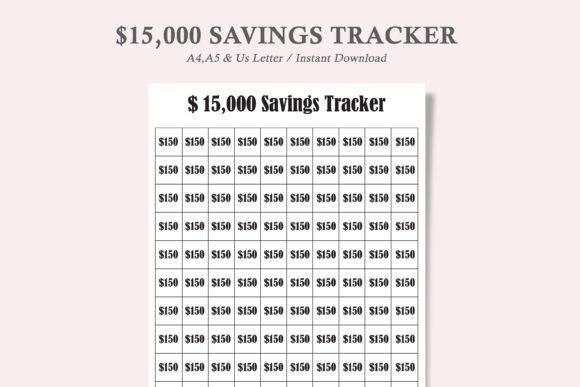
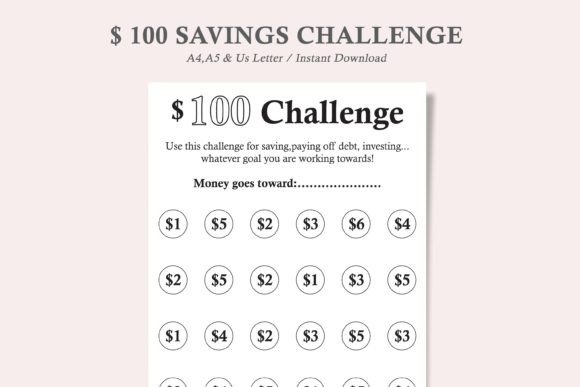
A Savings Tracker is a tool—either digital or printable—that allows users to record and monitor their savings progress. It typically includes sections for tracking income, expenses, and savings goals. A Savings Goal Tracker, on the other hand, focuses specifically on setting and achieving financial targets, such as saving for a vacation, emergency fund, or a major purchase.
These tools are often used together to create a comprehensive financial management system. The Savings Tracker provides a detailed overview of spending patterns, while the Savings Goal Tracker ensures that users stay focused on long-term objectives. Together, they offer a structured way to manage money effectively.
Why Someone Might Be Interested in a Savings Tracker
Individuals interested in improving their financial habits may find a Savings Tracker beneficial. Whether they are just starting to save or looking to refine their approach, these tools provide clarity and organization. The Save What You Spend Challenge, in particular, appeals to those who want a simple, actionable method to increase their savings without significant lifestyle changes.
Users who struggle with impulse buying or have difficulty sticking to a budget may also benefit from a Savings Tracker. By tracking every expense, they can identify areas where they tend to overspend and make necessary adjustments. This level of awareness is crucial for developing sustainable financial habits.
Benefits and Considerations
One of the main advantages of using a Savings Tracker is its ability to promote accountability. When users see exactly where their money is going, they are more likely to make informed decisions about their spending. Additionally, having a clear visual representation of savings progress can be motivating, especially when nearing a financial goal.
However, it's important to recognize that not all users will find a Savings Tracker equally useful. Those with irregular income or complex financial situations may need more advanced tools. Similarly, individuals who prefer a more flexible approach to budgeting might find the structure of a Savings Tracker too restrictive.
The Save What You Spend Challenge adds an extra layer of discipline by requiring users to match every expenditure with a corresponding savings deposit. This method can be particularly effective for people who want to build savings without sacrificing their current lifestyle. However, it may not be suitable for those with limited financial flexibility or who frequently face unexpected expenses.
Situations Where a Savings Tracker Fits Well
A Savings Tracker is ideal for individuals who are committed to building a consistent savings habit. It works well for those who want to track small, regular expenses and ensure that they are consistently contributing to their savings. For example, someone aiming to save for a down payment on a house could use a Savings Tracker to monitor their progress and adjust their spending accordingly.
The Save What You Spend Challenge is also well-suited for people who want to develop greater awareness of their spending habits. By linking each purchase to a savings action, users can gradually shift their behavior toward more responsible financial practices. This approach is especially helpful for those who find it difficult to start saving without a structured plan.
When Alternatives May Be Better
While a Savings Tracker and Savings Goal Tracker can be effective, there are situations where alternative methods may be more appropriate. For instance, individuals with high-income levels or complex financial portfolios may require more sophisticated tools that offer advanced analytics and forecasting capabilities.
Additionally, those who prefer a more hands-off approach to budgeting may find traditional savings accounts or automated transfers more convenient. These options allow users to set aside money without the need for constant monitoring or manual tracking.
Practical Insights for Decision-Making
Before choosing a Savings Tracker or Savings Goal Tracker, it's essential to evaluate personal financial goals and preferences. Users should consider factors such as the complexity of their spending habits, the level of detail required for tracking, and the time they are willing to invest in maintaining the system.
For those new to budgeting, starting with a simple tool like the Save What You Spend Challenge can be a great first step. It offers a straightforward way to begin saving while fostering a deeper understanding of financial behavior. As users become more comfortable with tracking their expenses, they can explore more advanced tools or customize their approach to fit their needs.
In conclusion, the Savings Tracker and Savings Goal Tracker provide valuable support for individuals seeking to improve their financial management. Whether through the structured approach of the Save What You Spend Challenge or other methods, these tools can help users achieve their savings goals and build long-term financial stability.