Japanese Kanji Handwriting Practice ③: A Strategic Tool for Learning and Communication
In today’s globalized world, the ability to communicate effectively across cultures is a valuable asset. For professionals, educators, and creators, mastering Japanese Kanji can open new doors for collaboration, branding, and personal growth. Japanese Kanji Handwriting Practice ③ offers a structured approach to learning Kanji, focusing on stroke order and proper technique. This resource is particularly useful for those looking to improve their Japanese language skills in a practical, intentional way.
What Is Japanese Kanji Handwriting Practice ③?
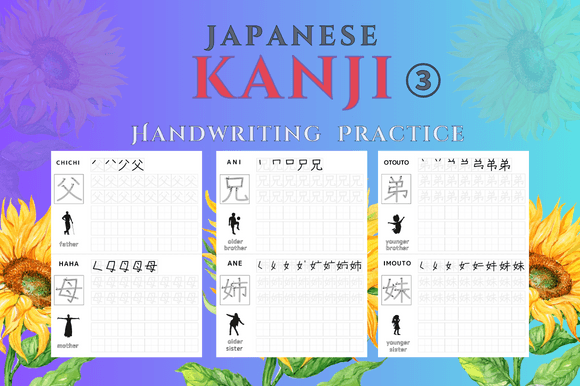
Japanese Kanji Handwriting Practice ③ is a digital PDF file designed for individuals who want to refine their Kanji writing skills. It includes three pages of exercises that guide users through the correct stroke order for a selection of commonly used Kanji characters. The document is formatted to fit standard 8.5×11 inch paper, making it easy to print and use in a notebook or practice book.
This resource is ideal for both beginners and intermediate learners who want to build a strong foundation in Kanji writing. By practicing with Japanese Kanji Handwriting Practice ③, users can develop muscle memory, improve legibility, and gain confidence in their ability to write Kanji accurately.
Why It Matters for Strategic Learning and Communication
For professionals and entrepreneurs, the strategic value of Japanese Kanji Handwriting Practice ③ lies in its ability to support long-term learning goals. Whether you're planning to expand your business into the Japanese market, collaborate with Japanese partners, or enhance your cultural literacy, mastering Kanji can be a powerful differentiator.
Consider the following use cases:
- Brand Positioning: If you're building a brand that targets Japanese consumers, understanding and correctly using Kanji can help you create more authentic and effective marketing materials.
- Customer Experience: For businesses offering services in Japan, being able to read and write Kanji can significantly improve communication with clients and enhance trust.
- Personal Development: For educators and content creators, incorporating Kanji into your work can add depth and credibility, especially when discussing Japanese culture, history, or language.
By integrating Japanese Kanji Handwriting Practice ③ into your routine, you’re not just learning a skill—you’re investing in a tool that can support your professional and creative ambitions.
How to Approach Japanese Kanji Handwriting Practice ③ Strategically
Using Japanese Kanji Handwriting Practice ③ effectively requires more than just repetitive practice. To maximize its value, consider the following strategies:
- Set Clear Goals: Define what you want to achieve with your Kanji practice. Are you aiming to improve your reading speed, enhance your writing accuracy, or prepare for a specific task? Having clear objectives will keep you focused and motivated.
- Integrate Into Daily Routine: Consistency is key. Dedicate a few minutes each day to practice with Japanese Kanji Handwriting Practice ③. Over time, this habit will lead to measurable progress.
- Combine With Other Resources: Use Japanese Kanji Handwriting Practice ③ alongside other learning tools such as flashcards, apps, or online courses. This multi-faceted approach reinforces learning and prevents burnout.
- Review and Reflect: After each session, take a moment to review your work. Identify areas where you need improvement and adjust your practice accordingly.
By approaching Japanese Kanji Handwriting Practice ③ with intention and structure, you can turn it from a simple exercise into a meaningful part of your learning journey.
When to Use Japanese Kanji Handwriting Practice ③
There are several moments when Japanese Kanji Handwriting Practice ③ can be most beneficial. For example:
- Before Traveling to Japan: If you're planning a trip to Japan, practicing Kanji can help you navigate daily life more easily and engage with locals in a more meaningful way.
- During Language Learning Programs: Incorporate Japanese Kanji Handwriting Practice ③ into your study schedule to reinforce what you’ve learned in class or through self-study.
- When Preparing for Exams: For students taking Japanese language proficiency tests, consistent practice with Japanese Kanji Handwriting Practice ③ can improve performance and reduce test anxiety.
Understanding when and how to use this resource ensures that your efforts align with your broader goals and needs.
Potential Risks of Using Japanese Kanji Handwriting Practice ③ Without Clarity
While Japanese Kanji Handwriting Practice ③ is a powerful tool, it can also be ineffective if used without purpose. Practicing randomly or without a clear objective may lead to frustration and wasted time. For instance:
- Without Context: Simply copying Kanji without understanding their meanings or usage can limit your ability to apply them in real-world situations.
- Without Progression: Sticking to the same set of characters without advancing to more complex ones can hinder long-term growth.
- Without Feedback: Without guidance or correction, bad habits can form, making it harder to improve later on.
To avoid these pitfalls, always approach Japanese Kanji Handwriting Practice ③ with a plan. Ask yourself: What am I trying to accomplish? How does this practice support my larger goals? And what steps can I take to measure my progress?
Long-Term Value of Japanese Kanji Handwriting Practice ③
Investing time in Japanese Kanji Handwriting Practice ③ isn’t just about improving your handwriting—it’s about building a foundation for lifelong learning. As you become more proficient in Kanji, you’ll find that your ability to understand and interact with Japanese culture deepens, opening up new opportunities for growth and connection.
For professionals, this can translate into better decision-making, stronger relationships, and a more nuanced understanding of the Japanese market. For creatives, it can inspire new forms of expression and storytelling. And for anyone interested in personal development, it offers a sense of accomplishment and intellectual fulfillment.
By using Japanese Kanji Handwriting Practice ③ intentionally, you’re not just practicing Kanji—you’re building a skill that can have lasting impact on your career, creativity, and worldview.