Japanese Kanji Handwriting Practice ④: A Strategic Tool for Learning and Communication
In today’s fast-paced world, the ability to communicate effectively across cultures is a valuable asset. For professionals, educators, and creators, mastering Japanese Kanji can open new doors for personal and business growth. Among the many resources available, Japanese Kanji Handwriting Practice ④ stands out as a practical tool for those looking to improve their kanji writing skills with precision and purpose.
Understanding Japanese Kanji Handwriting Practice ④
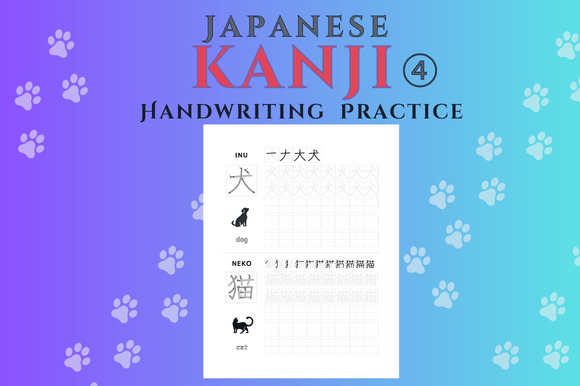
Japanese Kanji Handwriting Practice ④ is a digital PDF file designed for individuals who want to refine their kanji writing technique. This resource includes one page of structured practice, featuring clear examples of stroke order and visual guidance. The dimensions of the document—8.5×11 inches—make it easy to print and use in a variety of settings, whether at home, in an office, or on the go.
Unlike generic practice sheets, this tool focuses on the correct stroke order, which is essential for both legibility and aesthetic appeal. By practicing with Japanese Kanji Handwriting Practice ④, users can develop muscle memory and a deeper understanding of how each character is constructed.
Strategic Value for Professionals and Learners
For professionals, especially those involved in international business, marketing, or content creation, the ability to write kanji accurately can enhance communication and build trust with Japanese-speaking audiences. Japanese Kanji Handwriting Practice ④ provides a structured way to build this skill without unnecessary complexity.
Consider the following strategic benefits:
- Improved Branding: For businesses targeting Japanese markets, accurate kanji usage can reinforce brand credibility and cultural awareness.
- Enhanced Communication: Clear handwriting can make a significant difference in professional correspondence, presentations, or client interactions.
- Learning Efficiency: Focused practice with Japanese Kanji Handwriting Practice ④ ensures that time spent learning is productive and goal-oriented.
These advantages are not limited to language learners. Educators, for instance, can use this resource to teach students about the importance of proper stroke order and character structure, reinforcing foundational language skills.
When and How to Use Japanese Kanji Handwriting Practice ④
The best time to use Japanese Kanji Handwriting Practice ④ is when you have a specific goal in mind. Whether you're preparing for a business meeting, studying for a certification, or simply improving your daily writing, having a clear objective will help you get the most from the practice sheet.
Here are some practical approaches:
- Set a Daily Routine: Dedicate 10–15 minutes each day to practice. Consistency is key to developing muscle memory and confidence.
- Focus on One Character at a Time: Rather than trying to master multiple kanji in one session, concentrate on a single character to ensure accuracy and understanding.
- Use It in Context: Pair practice with reading or writing exercises to reinforce learning. For example, after practicing a kanji, try using it in a sentence or paragraph.
By integrating Japanese Kanji Handwriting Practice ④ into your routine, you can turn what might seem like a simple exercise into a meaningful part of your learning or professional development plan.
Planning and Positioning for Long-Term Results
Effective use of Japanese Kanji Handwriting Practice ④ requires more than just repetition—it demands thoughtful planning. Before diving into practice, consider your long-term goals. Are you aiming to write fluently in Japanese? Do you need to improve your handwriting for a specific project?
Positioning yourself as someone who values precision and discipline can also be a strategic advantage. In fields such as design, translation, or education, attention to detail is often seen as a mark of professionalism. Using Japanese Kanji Handwriting Practice ④ consistently demonstrates this mindset.
Additionally, think about how this practice fits into your broader learning strategy. If you’re already using other tools—such as flashcards, apps, or classroom instruction—Japanese Kanji Handwriting Practice ④ can serve as a complementary resource that reinforces what you’ve learned through active engagement.
Decision-Making and Risk Considerations
While Japanese Kanji Handwriting Practice ④ is a useful tool, it’s important to recognize its limitations. Without a clear purpose, repeated practice may lead to frustration or a lack of progress. This is where decision-making comes into play.
Ask yourself: What am I hoping to achieve with this practice? Am I using it to support a larger goal, or is it just a habit? If the answer isn’t clear, it may be worth revisiting your approach before investing more time.
Another risk to consider is over-reliance on digital files. While Japanese Kanji Handwriting Practice ④ is convenient, it’s still a static resource. To maximize its value, pair it with other methods such as observing native speakers, using interactive apps, or seeking feedback from teachers or peers.
Intentional Use for Better Outcomes
The key to success with Japanese Kanji Handwriting Practice ④ lies in intentionality. Instead of practicing randomly, focus on specific characters that are relevant to your goals. For example:
- If you're working on a marketing campaign targeting Japan, focus on kanji commonly used in advertising or branding.
- If you're preparing for a travel-related project, practice kanji associated with transportation, hospitality, or culture.
- If you're teaching others, select characters that are foundational for beginners.
This targeted approach ensures that your efforts are aligned with real-world needs, making your practice more meaningful and effective.
Realistic Use Cases and Practical Tips
Here are a few realistic scenarios where Japanese Kanji Handwriting Practice ④ can make a difference:
- Business Professionals: Use it to prepare for meetings with Japanese clients, ensuring that any handwritten notes or documents are clear and professional.
- Educators: Incorporate it into classroom activities to help students understand the structure of kanji and improve their writing skills.
- Content Creators: Enhance your work by including accurate kanji in blogs, videos, or social media posts, adding authenticity and depth to your content.
Regardless of your role, the goal should always be to use Japanese Kanji Handwriting Practice ④ in a way that supports your objectives. Whether you're building a career, launching a project, or simply expanding your knowledge, intentional practice can lead to measurable results.